The Need for Eco-Friendly Chemicals in Modern Industries
In today’s industrial landscape, sustainability has shifted from being a buzzword to a critical business priority. Industries across manufacturing, pharmaceuticals, construction, and agriculture face increasing pressure to adopt environmentally safe practices. One of the most impactful ways to achieve this is through the use of eco-friendly chemical solutions. These chemicals are designed to reduce environmental impact, minimize toxic emissions, and enhance safety for workers and communities. By integrating these solutions, businesses not only comply with stringent environmental regulations but also gain a competitive edge in an increasingly eco-conscious market.
Understanding Eco-Friendly Chemical Solutions
Eco-friendly chemical solutions encompass a range of products and technologies designed to replace traditional, hazardous chemicals with safer alternatives. Unlike conventional chemicals that may contain harmful solvents, heavy metals, or persistent pollutants, eco-friendly chemicals are biodegradable, non-toxic, and sourced from renewable materials whenever possible. These solutions include green cleaning agents, water treatment chemicals, sustainable solvents, and bio-based industrial chemicals. The goal is to maintain industrial efficiency while reducing the ecological footprint of production processes.
Benefits of Adopting Eco-Friendly Chemicals
1. Environmental Sustainability
One of the most obvious benefits of eco-friendly chemical solutions is the positive impact on the environment. By using chemicals that are biodegradable or derived from renewable sources, industries can significantly reduce soil, water, and air pollution. For example, water treatment facilities that adopt eco-friendly flocculants minimize the release of harmful residues into rivers and lakes, preserving aquatic ecosystems.
2. Health and Safety Advantages
Traditional industrial chemicals often pose serious health risks to workers, including respiratory issues, skin irritation, and long-term chronic illnesses. Eco-friendly alternatives are formulated to be safer for human contact and inhalation, reducing workplace hazards. Implementing these chemicals demonstrates a company’s commitment to employee well-being, which can improve productivity and reduce compensation costs related to workplace injuries.
3. Regulatory Compliance
Governments worldwide are tightening regulations regarding chemical usage and disposal. Non-compliance can lead to heavy fines and reputational damage. By integrating eco-friendly chemical solutions, businesses ensure compliance with local and international environmental standards, such as REACH in the EU or OSHA in the US, reducing legal risks.
4. Operational Efficiency
Contrary to common misconceptions, eco-friendly chemicals do not compromise performance. Many green solutions are engineered to be more effective than their conventional counterparts. For instance, bio-based solvents can offer faster cleaning times and lower energy consumption in manufacturing processes, leading to cost savings and improved operational efficiency.
Applications Across Industries
1. Manufacturing
In the manufacturing sector, eco-friendly chemicals are replacing traditional solvents, paints, and coatings. Industries are increasingly adopting water-based paints, biodegradable lubricants, and low-VOC (volatile organic compounds) coatings to reduce environmental impact while maintaining product quality.
2. Pharmaceuticals and Healthcare
The pharmaceutical industry benefits from eco-friendly solvents and reagents that minimize hazardous waste generation. Green chemistry approaches help reduce toxic byproducts in drug synthesis, supporting sustainable healthcare practices.
3. Agriculture
Eco-friendly pesticides and fertilizers are transforming agriculture by minimizing chemical runoff into water bodies and preserving soil health. These solutions enhance crop productivity while protecting ecosystems and biodiversity.
4. Construction
In construction, green chemicals such as non-toxic sealants, adhesives, and paints reduce indoor air pollution and environmental contamination. Buildings constructed with eco-friendly materials are also more appealing to environmentally conscious clients.
5. Water and Waste Management
Industries involved in water treatment use eco-friendly flocculants, coagulants, and disinfectants to purify wastewater without releasing harmful byproducts. These chemicals improve water quality and contribute to sustainable resource management.
Innovative Trends in Eco-Friendly Chemical Solutions
1. Bio-Based Chemicals
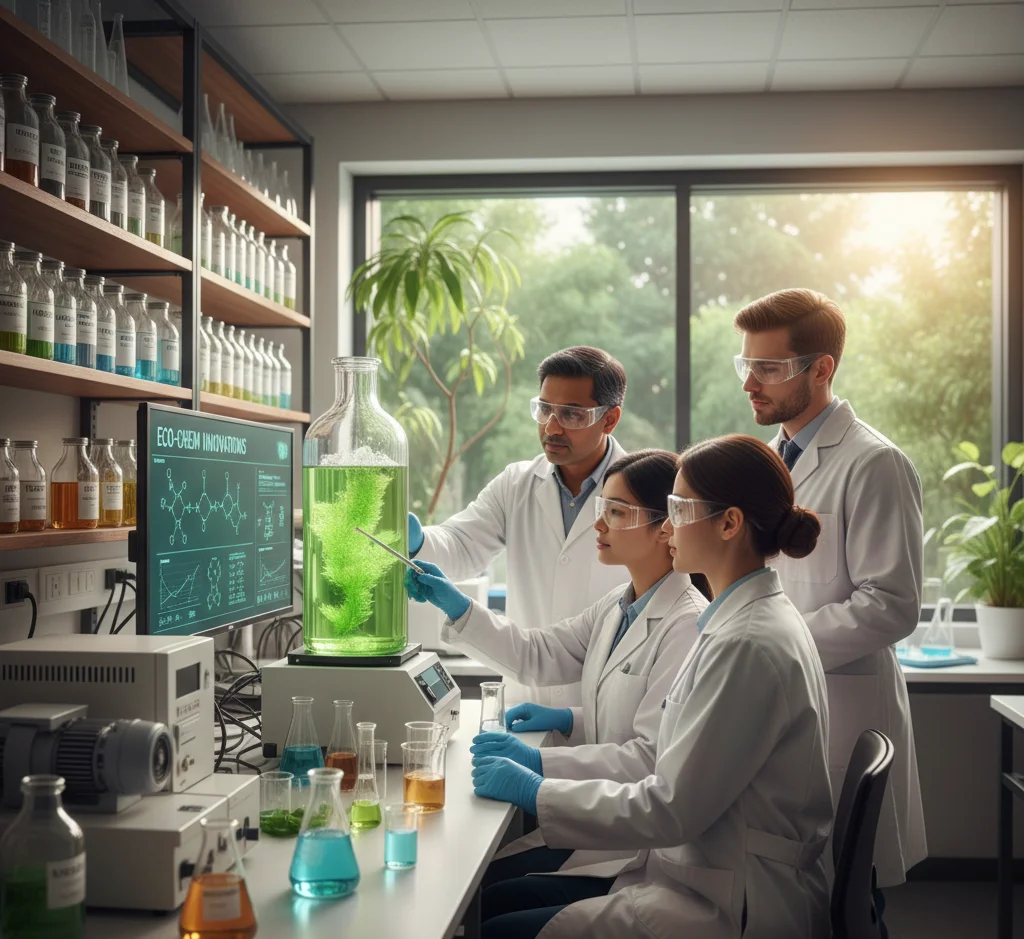
Chemicals derived from plants, algae, and other renewable sources are gaining traction. These bio-based solutions replace petroleum-derived compounds, reducing dependence on fossil fuels and minimizing carbon footprints.
2. Green Solvents
Green solvents are designed to dissolve substances without the harmful emissions associated with traditional organic solvents. They are widely used in coatings, cleaning processes, and chemical synthesis.
3. Smart Chemical Technologies
Advanced chemical solutions now incorporate nanotechnology and enzyme-based systems. These technologies enhance efficiency, reduce waste, and enable precise reactions with minimal environmental impact.
4. Circular Chemistry
Circular chemistry focuses on recycling and reusing chemical components. This approach minimizes industrial waste and fosters sustainable manufacturing practices by creating a closed-loop system for chemical usage.
Challenges and Considerations
Despite their advantages, adopting eco-friendly chemical solutions comes with challenges. Higher upfront costs, compatibility issues with existing equipment, and supply chain limitations can deter some companies. However, the long-term benefits including regulatory compliance, reduced health risks, and brand enhancement often outweigh the initial investment. Careful planning, supplier partnerships, and employee training are key to successfully integrating green chemical technologies.
How to Choose the Right Eco-Friendly Chemical Solutions
Selecting the right chemicals requires a strategic approach. Businesses should consider factors such as:
Regulatory compliance and safety certifications
Performance efficiency in specific industrial processes
Biodegradability and environmental impact
Supplier reliability and technical support
Partnering with reputable chemical solution providers ensures access to cutting-edge technologies, expert guidance, and tailored solutions for diverse industrial applications.
A Sustainable Path Forward
The industrial world is evolving toward sustainability, and eco-friendly chemical solutions are at the forefront of this transformation. By adopting green chemicals, companies not only reduce their environmental impact but also improve safety, operational efficiency, and compliance. As demand for sustainable practices grows, industries that embrace these innovative solutions will lead the way in modern, responsible manufacturing and industrial operations. Investing in eco-friendly chemical technologies is not just a regulatory necessity—it’s a strategic move that aligns business growth with environmental stewardship.